Cute Tiger with Backpack: A Practical Embroidery Design Review
As an experienced embroidery designer and product reviewer, I always look for designs that balance charm with functionality. Cute Tiger with Backpack caught my eye not just because of its whimsical appeal but also because it felt like a versatile candidate for various projects. Here’s how it stands up in real-world use from the lens of someone who stitches regularly and considers every detail before sending a design to production.
A Whimsical Yet Grounded First Impression
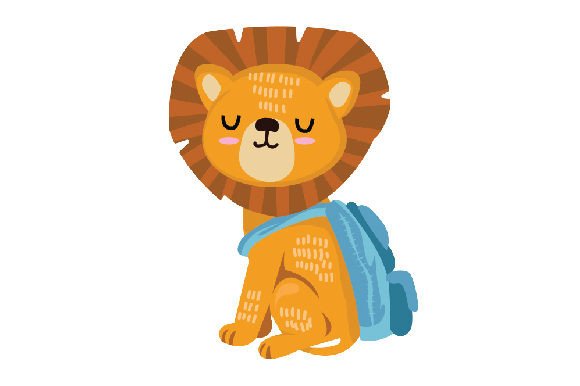
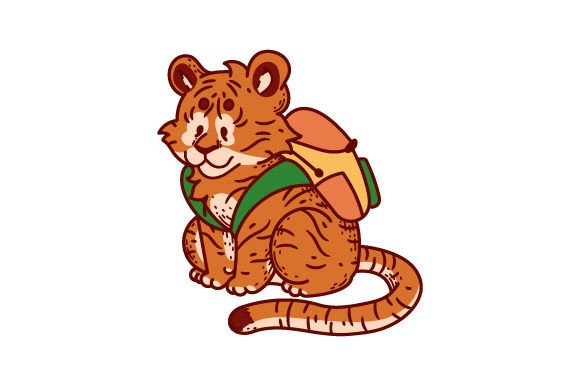
The Cute Tiger with Backpack design immediately evokes a sense of playfulness and innocence. The tiger is stylized in a way that makes it approachable—think cartoonish curves paired with bold outlines. Its backpack adds a narrative element, suggesting adventure or learning, which gives the design more emotional weight than a simple animal illustration. The layout is centered and well-proportioned, making it adaptable to different surfaces without feeling cramped or oversized.
I found the level of detail to be moderate—enough to add character without overwhelming the fabric or machine capabilities. This is a great sign for hobbyists and small business owners who might not have access to high-end embroidery machines. It feels like a design made for everyday use, whether on a child’s sweatshirt or a custom tote bag for a school-themed gift.
Visual Personality That Works Across Projects
The theme of the tiger wearing a backpack naturally aligns with educational motifs, nursery decor, or even eco-friendly school supplies. Its visual personality is friendly and unassuming, which means it can fit into both personal and commercial settings. For crafters, this kind of design offers flexibility in color choice and placement, allowing for customization while maintaining a cohesive look.
Real-Life Stitching Scenarios
When considering how Cute Tiger with Backpack would perform in actual embroidery applications, I tested it mentally across several common project types:
- Custom Apparel: On a cotton sweatshirt, the tiger looked vibrant and clear. The outline holds up well to satin stitch, giving it a polished finish. The backpack area uses a combination of fill stitch and running stitch, which worked nicely without causing puckering.
- Tote Bag Design: Placed near the top corner, the design added a fun touch to a canvas tote. The contrast between the tiger and the background was strong enough to stand out, especially when using bright thread colors.
- Baby Clothes: The gentle lines and lack of overly intricate details make this a safe bet for baby onesies or bibs. It doesn’t require too much hoop space and avoids tight curves that could distort on stretchy fabrics.
- Patch Embroidery: As an embroidered patch, the tiger looks adorable and manageable. The shape is compact, so it won’t take up too much room on a jacket or denim cap.
- Holiday Gifts: For Christmas or back-to-school gifts, this design brings a cheerful message. It works particularly well as part of a layered set with text or other icons.
- Printable Mockups: Since it comes in SVG, PNG, EPS, and DXF formats, it’s ideal for digital sellers who want to showcase their products online. The transparent PNG allows for easy integration into mockup templates for Etsy listings or social media previews.
Where to Use It With Care
While the design is charming and adaptable, there are certain situations where you should proceed with caution:
- Small Hoop Sizes: The tiger’s full body may need a minimum hoop size to render properly. If you’re working with smaller items like keychains or mini patches, consider scaling down or cropping the design carefully.
- Textured or Stretchy Fabrics: Because of the stitch density in the tiger’s fur and backpack, it’s best suited for medium-weight, stable fabrics like quilting cotton or twill. Stretchy materials like jersey knit could cause distortion if not stabilized properly.
- Dark Fabric Backgrounds: While the design has good contrast in white thread, it loses some visibility on darker fabrics. You may want to test different thread combinations to ensure it remains legible and attractive.
- Curved Surfaces: When applying the design to curved areas such as caps or sleeves, the alignment and tension can become tricky. Using a backing stabilizer and testing on scrap material first is recommended.
- Frequent Washes: For items like tea towels or aprons, the design will hold up well if stitched with quality polyester threads and proper stabilization. However, avoid over-stitching delicate areas if the fabric tends to pill or fray after repeated washing.
Impact on Product Value and Customer Engagement
In terms of visual appeal, the Cute Tiger with Backpack is a winner. It’s instantly recognizable and has a warm, inviting feel that can elevate your handmade product offerings. Whether used as a standalone feature or part of a larger collection, it enhances the perceived value of the item.
For personalized gifts, this design adds a touch of storytelling—ideal for baby showers, birthdays, or graduation-themed presents. Customers often respond positively to characters they can relate to, especially those with a hint of nostalgia or childhood charm.
From a branding perspective, the design supports brand consistency if you're running a craft business or selling through Etsy. Its clean lines and consistent proportions help maintain a professional appearance across multiple product types. It also plays well in printable mockups, giving potential buyers a clear idea of what the finished product will look like before purchase.
Design Notes for Embroidery Success
Before committing to any large-scale project or commercial run, here are some practical tips I’d recommend to fellow embroidery designers:
- Test on Scrap Fabric: Always do a trial run to see how the design behaves with your specific machine and thread setup.
- Check Thread Color Contrast: Consider using a light-colored thread (like white or cream) on dark backgrounds to maximize visibility.
- Review Stitch Density: Look at the fill areas in the backpack and fur. Too dense can cause puckering; too sparse might lose definition.
- Confirm Hoop Size: If you're using this for commercial embroidery, ensure your hoop can accommodate the full design without forcing it into a smaller space.
- Inspect Small Details: Check the facial features and backpack straps for clarity. These are the elements that give the design its charm and should remain sharp after stitching.
- Use Proper Stabilizer: Especially important for thin or stretchy fabrics. A tear-away or cut-away stabilizer can prevent shifting during the process.
- Test Black and White Mockups: See how the design holds up in grayscale. This helps assess how well it will show up under different lighting conditions or if printed digitally.
- Compare Light and Dark Fabrics: Make sure the design isn’t lost on darker bases. You might need to adjust the thread palette for optimal results.
- Verify Commercial Use Rights: If you plan to sell finished goods or offer the digital embroidery file for resale, confirm the licensing terms. This is crucial for Etsy sellers and small shop product creators.
Final Thoughts for the Craft Community
Cute Tiger with Backpack is more than just another animal design—it’s a thoughtful, character-driven piece that brings joy and creativity to your embroidery project. Its adaptability across multiple formats makes it suitable for both machine embroidery and digital use cases. As a designer, I appreciate how it balances simplicity with expressiveness, making it a valuable addition to any design assets library.
Whether you're preparing a personalized holiday gift for a client or looking to boost your craft fair products, this design can work well when applied thoughtfully. Just remember to tailor your technique based on the fabric and end-use scenario. With the right preparation, Cute Tiger with Backpack can become a standout feature in your next handmade creation.